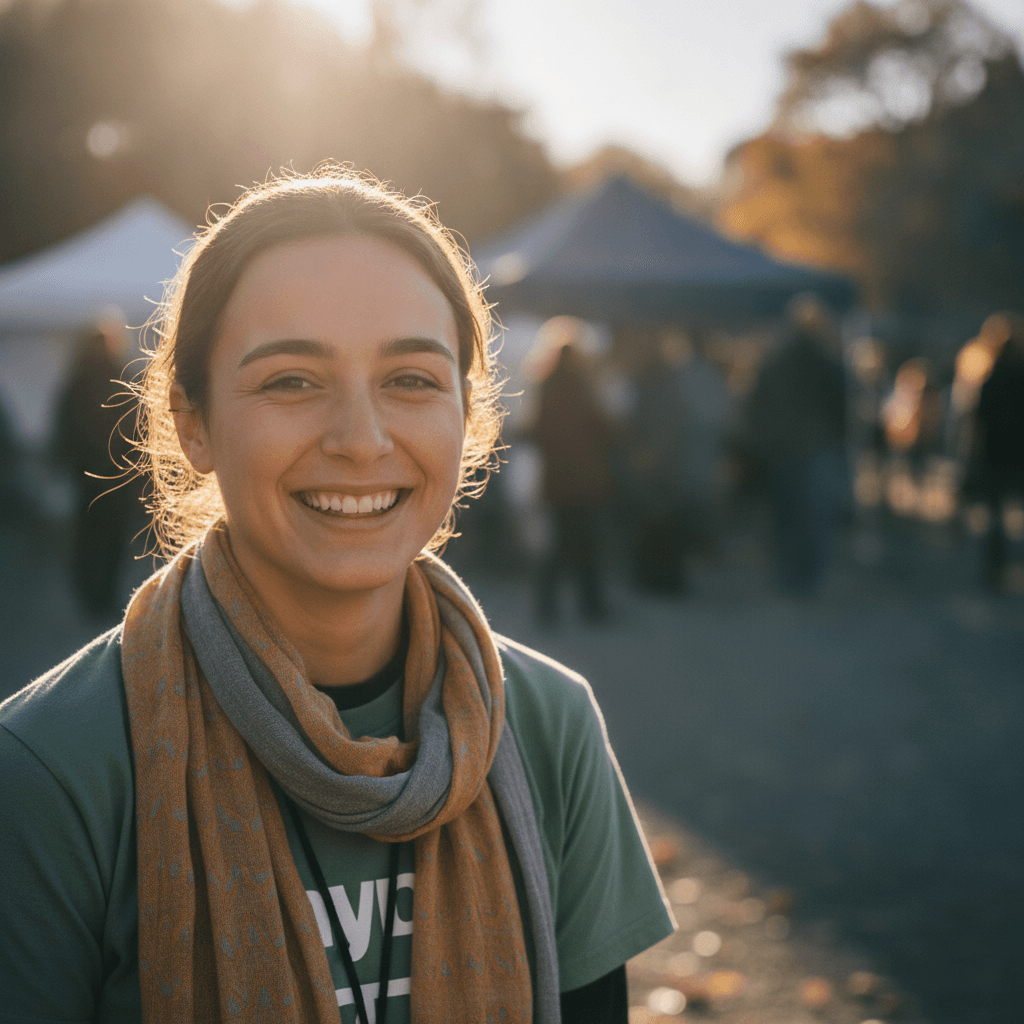
How to Plan, Launch & Run a Fall Marching Competition: The Complete Nonprofit Leader's Guide
Master fall marching band competition hosting with strategic planning, volunteer recruitment, budgeting, safety protocols, and day-of execution—tested by nonprofit leaders.
Hosting a fall marching competition is one of the highest-impact—and most logistically complex—events a nonprofit leader can undertake. Whether you're a school, community arts nonprofit, or band booster organization, marching bands in the U.S. perform at over 10,000 events annually , and fall competitions are among the largest. This guide walks you through every phase: strategic planning, budget construction, volunteer recruitment and training, safety and liability, field operations, marketing, and day-of execution.
Inside, you'll find real costs, timelines, role breakdowns, and tested checklists from organizations that have successfully launched competitions. You'll also see a link to the data behind fall marching competitions in our statistics report, which contextualizes participation trends and volunteer patterns.
Table of contents
- Why Fall Marching Competitions Matter (And Who They Serve)
- Setting Goals & Defining Your Competition's Scope
- Planning Timeline: 8–10 Months Before Your Event
- Budgeting & Financial Planning for a Fall Competition
- Fundraising & Revenue Streams
- Recruiting & Retaining Volunteers
- Volunteer Roles & Organizational Structure
- Screening Volunteers & Safety Protocols
- Field Operations & Logistics
- Marketing & Community Outreach
- Day-of Execution & Run-of-Show
- Measuring Impact & Volunteer Recognition
- Screen Your Volunteers the Easy Way
- Frequently Asked Questions
- Sources & References
Why Fall Marching Competitions Matter (And Who They Serve)
The U.S. scholastic competition season typically runs in fall (and sometimes early winter) with marching band state championships clustered in late October through November . A fall marching competition serves multiple stakeholder groups:
- Student performers – typically high school musicians (ages 14–18) who compete in brass, woodwind, percussion, and color guard sections
- Band directors and staff – educators and professionals who lead ensemble preparation
- Families and community members – parents, siblings, and local supporters who attend and volunteer
- Judges and adjudicators – experienced band educators who provide feedback on musical and visual performance
- Spectators and donors – community members seeking family entertainment and cultural connection
Marching band fans and spectators often comprise over 80% of the audience at performances , demonstrating the deep community engagement these events generate. Beyond the performance itself, fall marching competitions build community pride, raise funds for music programs, and create lasting memories for thousands of young musicians each season.
Setting Goals & Defining Your Competition's Scope
Before you book a venue or recruit a single volunteer, you must define the competition's purpose, scale, and success metrics. The event's purpose may be net revenue, donor renewal, community trust, volunteer recruitment, church engagement, school visibility, or sponsor cultivation—and until you name that outcome, your budget doesn't have a spine .
Scope questions to answer first:
- Will you host a regional invitational (10–40 bands) or a state/national qualifier event?
- How many performance slots will you offer per band?
- Will you include preliminary rounds, semifinals, and finals—or a single-day competition?
- What divisions will you host? (e.g., Class A, Class B, Class C by band size)
- Will you run color guard or drumline-only competitions alongside marching band?
- Are you partnering with an established circuit (e.g., USBands includes over 700 participating high school marching bands ) or organizing independently?
Sample goal statements:
- "Host a 24-band regional invitational on October 14th with preliminary and finals rounds, generate $12,000 net revenue for our school's music department, and create a welcoming environment for bands across the tri-county region."
- "Organize a community-facing competition featuring 12–16 bands, recruit and train 40 volunteers, secure $8,000 in sponsorships, and engage 500+ spectators to showcase the value of marching arts."
Establishing clear, measurable goals—revenue targets, band capacity, volunteer numbers, spectator attendance—ensures every downstream decision (budget, marketing, staffing) aligns with your actual objectives.
Planning Timeline: 8–10 Months Before Your Event
Ideally, you should begin planning at least 8–10 months in advance, giving you time to recruit competing bands, secure a suitable venue, confirm judges, and take care of other logistics like ticketing and concessions . The timeline below assumes a fall competition in October; adjust month names as needed for your target date.
| Phase | Timeline | Key Tasks |
|---|---|---|
| Planning Kickoff | December–January (8–9 months out) | Define competition goals, scope, and date; secure venue; form organizing committee; identify competition director. |
| Foundational Setup | January–February (7–8 months out) | Contract judges; set band entry fees; outline volunteer roles; draft competition run-of-show; begin sponsor outreach; create event website/landing page. |
| Recruitment & Sponsorship | February–April (6–4 months out) | Begin band recruitment and marketing; close sponsorship packages; finalize concessions menu; recruit volunteer coordinators; send band invitations. |
| Volunteer Coordination | April–July (4–3 months out) | Launch volunteer recruitment; screen and vet volunteers; schedule shift assignments; arrange volunteer training sessions; confirm band participation. |
| Logistics Finalization | July–August (2–1 months out) | Finalize field setup and equipment; confirm parking, restrooms, and concessions logistics; print signage and programs; conduct volunteer training; coordinate judge arrivals. |
| Final Countdown | 2–4 weeks out | Confirm all vendor and judge details; send volunteer reminder communications; do final walkthrough of venue; test AV and timing systems; prepare contingency plans for weather. |
| Event Weekend | Competition day | Volunteer check-in and setup; band arrivals and warm-ups; run preliminaries and finals; manage concessions and spectator experience; conduct awards ceremony. |
| Post-Event | 1–2 weeks after | Debrief with leadership; thank volunteers and sponsors; reconcile finances; gather attendee feedback; document lessons learned. |
Key principle: Monthly boosters meetings take place between January and the show in late July, where you organize correspondence to solicit local community business sponsorships, plan the concessions menu, approve vendors, organize volunteers, and make revisions to contest flow and logistics based upon feedback from the previous year . Build these recurring touchpoints into your calendar.
Budgeting & Financial Planning for a Fall Competition
A well-structured budget is not a logistics document—it's a strategy document. The most common financial mistake in nonprofit event planning is treating the budget as a logistics document rather than a strategy document. The budget gets built after the venue is booked, the caterer is selected, and the entertainment is committed. A nonprofit fundraising event budget should be built before the first vendor conversation .
Step 1: Define your revenue target and work backward.
Only spend up to 35% of your total revenue goal on event costs. If you can keep it to 25% or less, even better . For example, if your goal is $20,000 in net revenue, your total event expenses should not exceed $3,500–$5,000. If you need to gross $30,000 to hit that net target, then allocate expenses accordingly.
Step 2: Itemize fixed and variable costs.
Fixed costs, such as venue rental and insurance, stay the same regardless of attendance. Variable costs, such as catering and printed materials, rise or fall with the number of guests .
Sample budget for a 20-band regional invitational (single-day event, 400 spectators):
| Category | Estimated Cost |
|---|---|
| Fixed Costs | |
| Venue rental (school field/stadium, 12 hours) | $800–$1,500 |
| Event liability insurance (1-day policy) | $400–$800 |
| Judge fees (5 judges × $150–$250 each) | $750–$1,250 |
| Permits (parking, traffic control, fire safety) | $300–$600 |
| Police/security detail (4–6 officers, 8 hours) | $600–$1,200 |
| Sound and timing equipment rental | $400–$800 |
| Subtotal Fixed | $3,250–$6,150 |
| Variable Costs | |
| Concessions supplies (hot dogs, drinks, snacks) | $400–$700 |
| Volunteer t-shirts/badges (40–50 volunteers) | $200–$400 |
| Programs and signage (printing) | $150–$300 |
| Background checks (volunteers, FCRA-compliant) | $150–$250 |
| Awards/trophies and ribbons | $300–$500 |
| Volunteer appreciation (snacks, water, meals) | $200–$400 |
| Subtotal Variable | $1,400–$2,550 |
| Contingency (10%) | $465–$765 |
| TOTAL EXPENSES | $5,115–$9,465 |
Revenue sources (sample):
- Band entry fees: 20 bands × $200–$350 per band = $4,000–$7,000
- Gate/spectator admission: 400 spectators × $8–$12 = $3,200–$4,800
- Concessions profit: Hot dogs, drinks, snacks at 60–70% margin = $600–$1,200
- Corporate sponsorships: Tiered packages ($500–$2,500 per sponsor) = $5,000–$10,000+
- In-kind donations: Venue, equipment, printing (counted as income/expense offset)
Key budgeting principles:
- Build a 10–15% contingency into your budget so surprises don't derail your event .
- 15 to 20% of corporate event budgets are lost to hidden costs such as return shipping, overtime labor, and administrative overhead. First-time events may need a 15 to 20% buffer for these operational variances .
- Most nonprofits aim to keep total event costs low enough to hit a 2:1 or 3:1 return, meaning the event raises two to three times what it spends .
Fundraising & Revenue Streams
Fall marching competitions depend on diversified revenue. A single source (e.g., ticket sales) won't fund the entire event. Instead, build a portfolio of sponsors, donors, and earned revenue.
Corporate sponsorship tiers (example structure):
- Platinum ($2,500+): Logo on all signage, booth space, recognition in program and awards ceremony, 10 complimentary admissions
- Gold ($1,500): Logo on program and website, recognition in awards ceremony, 6 complimentary admissions
- Silver ($750): Logo on program, social media mention, 4 complimentary admissions
- Bronze ($300): Recognition in program, 2 complimentary admissions
Organizations have been successful in raising around $10,000 with the help of 20 local business sponsors and one local grant . Target local businesses, including banks, insurance firms, music stores, restaurants, and automotive services. Corporate sponsorship programs with perks for different levels of sponsorship are a great way to raise funding to offset the expense of hosting and see local businesses advertise your partnership on billboards, Facebook, websites, etc.
Outreach channels:
- Email: Send sponsor prospectuses 5–6 months ahead of the event to decision-makers at 50+ local businesses.
- In-person calls: Band directors and volunteer chairs should personally invite local business owners and their employees to sponsor/attend.
- Social media: Promote the event through email, Facebook, local radio, and newspaper .
- Community partnerships: Approach civic organizations, Rotary clubs, and arts councils for co-sponsorship.
Earned revenue optimization:
- Concessions: Partner with local vendors (pizza, BBQ, Chick-fil-A) for fundraising splits, or run concessions in-house if volunteer labor is available. Target 60–70% profit margins.
- T-shirt/merchandise sales: Sell event t-shirts, mugs, or hats. Presell to bands and families online to minimize unsold inventory.
- Parking: Charge $5–$10 per car (parking donations) if venue allows; hire volunteer parking attendants to manage traffic flow.
Internal cross-link: Visit VolunteerBadge pricing to understand how background check costs fit into your volunteer budget.
Recruiting & Retaining Volunteers
A successful marching competition requires 40 to 70 volunteers for a single-day regional event. Plan for 10 to 20 percent cancellations and no-shows. If you need 20 people, recruit 22 to 24, and add a backup or waitlist slot for critical roles .
Recruitment timeline and channels:
- 4–5 months out: Post volunteer opportunity on your website, email lists, social media, and local volunteer centers (VolunteerMatch, Idealist).
- 3–4 months out: Host a volunteer information session for interested band parents and community members.
- 2–3 months out: Follow up with interested volunteers; confirm shift assignments and role details.
- 1 month out: Send reminder emails with details (date, time, location, what to wear, parking info).
- 1 week out: Automatic reminders sent 24 to 48 hours before a shift significantly reduce the no-show rate—most no-shows are people who simply forgot, not people who changed their minds .
Who to recruit:
- Band parents and families: The core recruitment pool. Email your band booster list and ask for "first, second, and third choice" shifts.
- Local high school volunteers: Community service hours for students (with adult supervision).
- Corporate employee volunteer groups: Corporate groups: employee volunteer days and team events work especially well for defined, one-day projects with clear outcomes .
- Civic organizations: Rotary, Lions Club, veterans groups, and civic associations often seek one-day volunteering opportunities.
- Retired musicians and music educators: Former band directors and performers bring expertise and enthusiasm.
Recruitment messaging:
A generic "we need volunteers" post puts the work on the reader to imagine whether there's a place for them. Good role descriptions do that work upfront. "Volunteer needed" gets ignored. "Help check in families at our Saturday food pantry: 3-hour shift, no experience needed, training provided" gets clicks . Apply this principle to marching competition roles:
- "Band Warmup Coordinator – Saturday 9:00 am–1:00 pm – Greet each band, assign warm-up zones, ensure AV setup. Experience with music events helpful but not required. Training provided."
- "Concessions Team Lead – Saturday 8:30 am–4:30 pm – Manage snack sales, cash box, volunteer staff. No experience needed. Fun, fast-paced environment!"
- "Parking & Traffic Flow Volunteer – Saturday 7:30 am–2:00 pm – Direct cars, hand out programs, smile. Easy role, great for first-time volunteers!"
Cross-link: Learn how VolunteerBadge's invite tool simplifies volunteer sign-ups and confirmations.
Volunteer Roles & Organizational Structure
A well-defined volunteer structure ensures every task gets covered and no volunteer feels uncertain about their responsibility. Effective nonprofit volunteer management ensures that everyone knows their roles, tasks, and schedules. Clear role assignments use tools to track volunteer roles, from check-in staff to event coordinators, to make sure every task is covered .
Leadership structure (1 Competition Director + 5–8 Core Coordinators):
- Competition Director / Event Organizer: Oversees all planning and day-of execution. Final decision-maker on logistics, disputes, and contingency deployment. 1 person.
- Volunteer Coordinator: Manages volunteer recruitment, screening, scheduling, and on-day check-in. Ensures sufficient coverage and addresses last-minute gaps.
- Logistics & Field Operations Lead: Manages parking for buses, set-up of the fields, hiring police detail, and possibly partnering with local businesses for the food .
- Concessions Manager: Plans menu, procures supplies, trains volunteer food servers, manages cash box and reconciliation.
- Sponsorship & Marketing Lead: Secures corporate sponsors, manages promotional materials, handles media outreach.
- Bands Coordinator / Registrar: Manages band registration, entry fees, performance schedule, and band-day communication (schedules, rules, special requests).
- Judges Coordinator: Recruits, contracts, and manages judge logistics (lodging if multi-day, meals, parking, score sheet delivery).
- Finance Manager / Treasurer: Tracks budget, reconciles revenue and expenses, manages vendor invoices, reports financial outcomes post-event.
Day-of volunteer roles (by function):
| Role | Responsibilities | Count |
|---|---|---|
| Band Check-In Desk | Greet bands, verify registration, hand out programs/wristbands, answer questions. | 4–6 |
| Warmup Coordinators | Volunteers are needed for the entire weekend in roles including warm-up, band flow, and photo helpers . Assign warm-up zones, manage timing, coordinate field entry. | 6–8 |
| Field Setup / Pit Crew | Coordinates with Band Director on placement of equipment and front line instruments on field for marching band competitions, coordinates with Vice President of Volunteers to solicit Pit Crew volunteers . Move props, set percussion instruments. | 8–10 |
| Concessions / Food Service | Staff concession booths, serve food/drinks, manage lines, handle payment. | 6–8 |
| Parking & Traffic Control | Direct vehicle traffic, manage bus parking zones, hand out programs at gate. | 6–8 |
| Spectator Seating & Ushering | Greet spectators, direct to seats, hand out programs, manage restroom traffic. | 4–6 |
| First Aid & Safety | Provide basic first aid if needed, check heat illness protocol, manage medical emergency communication. | 2–3 |
| Score / Timing Operations | Manage electronic timing, collect and log score sheets, coordinate finalist announcements. | 2–4 |
| Awards & Ceremonies | Coordinate trophy handoff, manage finalist announcements, conduct awards ceremony. | 3–4 |
| Cleanup Crew | Break down field setup, collect trash, power down equipment, close venue safely. | 6–8 |
| TOTAL | 45–65 |
Retention strategy: Rotate leadership annually to prevent burnout and build deeper engagement. Volunteers are more likely to stay when they see opportunities to grow within your organization. Offer mentorship opportunities, additional training, and leadership roles to keep engagement and commitment strong. A parent who starts as event day help in year 1 can become Uniform Chair in year 2 .
Screening Volunteers & Safety Protocols
Marching competitions involve minors—high school band members competing and often younger community members attending. Marching band volunteers work directly with minors. Background checks are essential for all volunteers that work with children or vulnerable populations to help flag potential abusers .
Who needs screening:
- Any volunteer with unsupervised access to students (pit crew, warmup coordinators, chaperones)
- Volunteers managing student check-in, registration, or medical information
- First-aid and safety volunteers
- Transportation drivers (if offering shuttle services)
Screening components:
The most common volunteer background screening components include criminal history searches, sex offender registry checks, and identity verification . For a marching competition, background checks are worth requiring for roles involving children, vulnerable populations, money handling, transportation, or sensitive data .
Safety protocols:
- Require two-adult rule: Never one adult alone with a student. 2 parents/guardians are needed to drive the instruments & equipment to every competition .
- Provide brief training: Give all volunteers a 15-minute overview of your organization's child safety policy .
- Establish a clear "incident reporting" protocol. If a volunteer or attending adult violates safety policies, have a documented procedure for immediate escalation to competition leadership.
- Ensure at least one First-Aid/CPR certified staff member is on-site throughout the event.
- Post emergency contact numbers and evacuation routes prominently.
Cross-link: Start your volunteer screening with VolunteerBadge: $5 FCRA-compliant background checks with no monthly fees. Volunteers can pay their own fee or you can cover it from event budget. Identity verification is included at no extra cost.
Field Operations & Logistics
Fall marching competitions depend on seamless field logistics: parking, band arrival, warmup zones, field entry, performance timing, and cleanup. Ensure the turf is safe and suitable for marching bands to perform. Artificial turf is ideal for marching band competitions but natural grass is OK as well as long as the field is properly maintained .
Venue requirements:
- Performance field: Regulation football field (100 yards × 53⅓ yards minimum). Must be level, well-maintained, and safe.
- Parking: Dedicated bus parking for 15–25 band buses; general parking for 300–500 cars (assuming 1.5 persons/car average).
- Staging area: Separate warmup fields or parking lots where bands can rehearse and prepare before performance.
- Spectator seating: Bleachers or lawn seating capacity for 300–800 attendees. ADA-accessible viewing areas.
- Restrooms: Several restroom locations are open around the school courtyard/picnic area . Minimum 2 stalls per 150 people (portable restrooms may be needed).
- Water stations: It is the responsibility of each band to ensure proper hydration of its members throughout the duration of the event. Bands of America will provide a potable water bottle filling station equipped with water horses and continuously flowing water .
- Concessions area: Sheltered space (tent or building) for food prep and service.
- Judges' observation area: Elevated or clear sightline for adjudicators to view all field positions.
- Timing/scoring booth: Protected area for electronic timing, score tabulation, and announcements (AV system).
Day-of logistics sequence (example: 10 a.m. start time, 5 performances):
- 7:00 am: Volunteer check-in, t-shirt/badge distribution. Core staff verify all equipment and sound systems.
- 7:30 am: Parking opens; bus parking attendants direct incoming buses to assigned zones.
- 8:00 am: Band check-in desk opens. First band receives schedule confirmation, wristbands, program.
- 8:30 am: Warmup coordinators guide bands to designated warmup areas. Spectator gates open; concessions begins service.
- 9:30 am: Final band briefing (safety rules, AV/timing check). First band called to goal line for 4-minute setup.
- 10:00 am: Performance 1 begins. Score sheet collected immediately after. Band departs for cooldown area.
- 10:15 am: Band 2 called to goal line.
- Repeat: Bands 3, 4, 5 follow 15-minute intervals. (Adjust based on show length and setup complexity.)
- Afternoon: Judges deliberate; scores tabulated; finalists announced.
- Late afternoon: Awards ceremony; finalist performances (optional); cleanup begins.
- Evening: All equipment secured, field cleared, volunteers thanked and released.
Weather contingency planning:
- Rain is common in fall. Have a plan: In the case of rain, uniform parents will help hang uniforms appropriately so they can dry in the band room overnight. Confirm indoor alternative space at venue in advance (gym, cafeteria). Have plastic tarps and hangers ready for wet uniforms and props .
- Establish a "rain delay" communication protocol. Use an app (e.g., BAND, GroupMe) to notify bands and spectators of schedule changes.
- If extreme weather (lightning, extreme heat) occurs, establish a lightning protocol and heat-rest schedule in coordination with band directors.
Marketing & Community Outreach
Successful fall marching competitions attract bands, spectators, and sponsors through strategic, multi-channel marketing. Promote the event through email, Facebook, local radio, and newspaper .
Timeline and channels:
- 6 months out: Create event website/landing page; post on social media; email past band participants and community partners.
- 4–5 months out: Send formal band invitations and registration info to 100+ schools in target region.
- 3 months out: Launch sponsorship prospectus; approach local media for feature coverage.
- 2 months out: Increase social media frequency (2–3 posts per week); announce early-bird registration closing date.
- 1 month out: Post volunteer call; finalize band lineup; launch spectator ticket pre-sales (if charging).
- 2 weeks out: Press release to local news; final social media push ("Last chance to register!").
Key marketing materials:
- Event website: Date, time, location, competition format, entry fees, judges, schedule, parking, spectator info, volunteer link, sponsor logos.
- Facebook event: Event details, updates, volunteer posts, spectator engagement.
- Email newsletter: 2–3 pre-event emails to past attendees, bands, and registered spectators with updates and reminders.
- Local press release: Sent to high school newspapers, community publications, and local news outlets. Angle: "Youth music competition celebrates fall season; community invited to attend."
- Flyers/yard signs: Post at band rooms, music stores, schools, and community centers.
Day-of Execution & Run-of-Show
The true measure of months of planning is a smooth, enjoyable competition day. Effectively communicating expectations with your volunteers before the big day is the best way to ensure your team is unified and prepared .
Volunteer briefing (30 minutes before doors open):
- Icebreaker (2 min): Welcome volunteers; thank them by name; share competition mission ("We're celebrating 60 amazing high school marching bands!").
- Safety & procedures (5 min): Evacuation routes, weather updates, incident reporting, where to find leadership.
- Role-specific assignments (10 min): Each coordinator briefs their team (parking crew, concessions, etc.). Answer questions.
- Communication protocol (3 min): How to reach coordinators if issues arise (walkie-talkies, phone numbers, runner system).
Real-time issue management:
- Issue: Band arrives 30 minutes early; other band hasn't warmed up yet.
- Solution: Warmup Coordinator reassigns to overflow warmup zone; extends interval by 10 minutes if necessary. Communicate change to announcer immediately.
- Issue: Sound system fails during Performance 3.
- Solution: AV tech resets system (5 min max). If unfixable, band gets a second performance slot at end of day. Decision made by Competition Director + affected band director within 5 minutes.
- Issue: Spectator medical emergency (chest pain, diabetes event).
- Solution: First-aid volunteer responds immediately. Call 911 if needed. Clear area and continue competition if safe to do so. Have incident report ready for post-event debrief.
Volunteer morale & appreciation (in-the-moment):
- Hydration: Ensure water cooler is staffed and accessible to volunteers throughout day.
- Food: Provide lunch or snacks for volunteers (early lunch for morning shifts, mid-day snack for afternoon crew).
- Recognition: After awards ceremony, gather volunteers on field for 2-minute "thank you" remarks. Take group photo. Post on social media immediately with tags.
- Tangible appreciation: Hand out volunteer t-shirt (if applicable), small gift (water bottle, snack pack), or raffle prize drawing for volunteers.
Measuring Impact & Volunteer Recognition
Track data points such as attendee satisfaction and volunteer retention rate with your event management software so you understand where you can improve your approach for events in the future .
Post-event surveys (send 1 week after event):
- Volunteer survey: 5–10 questions via Google Form or SurveyMonkey:
- How would you rate your volunteer experience (1–5)?
- Did you feel clear about your role and responsibilities?
- Would you volunteer at this event again next year?
- What could we improve?
- Would you refer friends/family to volunteer?
- Band director survey: 8–10 questions:
- How would you rate the competition logistics?
- Was the schedule communicated clearly?
- Were judges professional and fair?
- Will you return next year?
- Spectator survey: 5–8 questions (online or paper):
- Would you attend again?
- Was the experience family-friendly?
- Did you enjoy the concessions and venue amenities?
Impact metrics to track:
- Participation: Number of bands, competitors, spectators. Year-over-year growth.
- Financial: Total revenue, total expenses, net result. ROI ratio (revenue ÷ expenses).
- Volunteer: Number of volunteers recruited, volunteer retention rate (% returning next year), volunteer satisfaction score.
- Sponsor: Number of sponsors, sponsorship revenue, sponsor satisfaction/retention.
- Community reach: Social media engagement (impressions, shares, followers gained), media mentions, attendee zip codes (geographic reach).
Volunteer thank-you strategy:
- Immediate (day-of): Verbal thank-you and group photo.
- 1 week post: Personalized thank-you card from Competition Director (handwritten is best). Include event photos if available.
- 1 month post: Email with impact statement: "Thanks to 47 volunteers like you, we hosted 22 bands, welcomed 600+ spectators, and raised $8,400 for the music program. You made this possible!"
- Ongoing: Invite returning volunteers to "thank-you dinner" in early fall or summer planning meeting (free pizza, casual setting). Position as leadership development opportunity: "We'd love your input as we plan Year 2."
Screen Your Volunteers the Easy Way
Every volunteer working with students needs to be vetted. Volunteer recruitment can be costly, frequently requiring background checks and volunteer center membership . VolunteerBadge simplifies this process.
Why VolunteerBadge for marching competitions:
- $5 per check, no monthly fees: No surprise invoices or platform costs. You pay only for the checks you run.
- FCRA compliant: Includes criminal history search, sex offender registry check, and identity verification—everything you need for student-facing roles.
- Volunteers pay their own fee: Option to cover costs from event budget, or volunteers can opt to pay $5 themselves.
- Fast results: Most checks complete in 24 hours.
- Easy workflow: Invite volunteers via email link, they complete application and background check, you get clear pass/review/fail notification.
Get Started with VolunteerBadge – Sign up free to run your first background checks today
Complementary resources:
- How to run a background check in 5 minutes
- FCRA compliance guide for nonprofits
- Free biometric identity verification
- Free volunteer management training courses
Frequently Asked Questions
Q: How much should we charge bands to enter?
A: Regional invitationals typically charge $150–$350 per band entry, depending on local market, competition prestige, and what's included (feedback, placement trophies, finals opportunity). Survey 3–5 comparable events in your region to benchmark.
Q: Can we run a competition without judges?
A: Not if you want bands to receive educational feedback. Judges are central to a marching competition's value. Budget $150–$250 per judge (5 judges minimum: music, percussion, visual, general effect, and sometimes color guard specialty). Recruit from high school and college band directors within 3–4 hours' drive.
Q: What if weather forces us to postpone?
A: Plan for this in advance. Establish a "weather decision deadline" (e.g., "decision made by 7 a.m. on competition day"). Create a reschedule date 1–2 weeks out. Communicate via email, social media, and your event app within 1 hour of decision. Have refund/transfer policy documented in band registration terms.
Q: Do all volunteers need background checks?
A: No.
Background checks are worth requiring for roles involving children, vulnerable populations, money handling, transportation, or sensitive data. For general event support in supervised settings, they're often unnecessary—though you should align with your insurance provider and any applicable local requirements before making that call
. For a marching competition, screen anyone with unsupervised student contact or handling registration/medical info.
Q: How many volunteers do we really need?
A: For a 20-band single-day regional invitational, plan for 45–65 volunteers across all roles.
Plan for 10 to 20 percent cancellations and no-shows. If you need 20 people, recruit 22 to 24
. So if you calculate 50 needed, recruit 60–65.
Q: What's the biggest mistake first-time hosts make?
A: Starting planning too late, underestimating logistics complexity, and failing to build contingency time into schedules.
Begin planning at least 8–10 months in advance
. If you're reading this and your competition is less than 6 months away, focus relentlessly on logistics (venue, judges, permits) and build volunteer depth to absorb last-minute surprises.
Q: Should we sell sponsorships as "packages" or individual donations?
A: Packages with tiered perks work best.
Establish a corporate sponsorship program with perks for different levels of sponsorship. This is a great way to raise funding to offset the expense of hosting and see local businesses advertise your partnership on billboards, Facebook, websites, etc.
Create 4–5 clear tiers (Platinum, Gold, Silver, Bronze) with specific deliverables at each level.
Q: How do we keep volunteers engaged for Year 2?
A: Follow up within 1 week with personal thank-you. Send mid-year "planning meeting" invite in late spring (casual, pizza, input-gathering). Create leadership pathway: "Parking volunteer in Year 1 → Parking Lead in Year 2." Recognize repeat volunteers publicly at awards ceremony and in post-event communications.
Sources & References
- TopEndSports – About Competitive Marching Band (2024)
- Gitnux – Marching Band Statistics: Market Data Report 2026
- ZipDo – Marching Band Statistics: Education Reports 2025
- World Metrics – Marching Band Statistics Fact-Checked 2026
- VolunteerHub – Volunteer Management: Complete Guide for Nonprofits 2026
- FunRaise – Nonprofit Volunteer Management Guide 2026
- BetterImpact – Leveraging Volunteer Help at Nonprofit Events: 5 Strategies (2025)
- Mobilize – Volunteer Management Complete Guide for Nonprofits (2024)
- Bloomerang – Volunteer Management Guide: Tips for Nonprofits (2026)
- SignUpGenius – Nonprofit Volunteer Management Best Practices (2026)
- StratusLive – Event Planning for Nonprofit Organizations (2025)
- CapitalBusiness – 6 Strategies for Nonprofit Event Management (2026)
- Bands of America / Music for All – Volunteer Opportunities (2024)
- Jeff Chambers Music – 12 Essential Roles in Your Marching Band Team (2025)
- VolunteerBadge – Marching Band Booster Organizing Guide 2026
- Virtual Music Office – 14+ Ways to Volunteer for a Marching Band (2024)
- GiveButter – Free Nonprofit Event Budget Template to Track ROI (2026)
- Bloomerang – How to Build Your Nonprofit Volunteer Program Budget (2026)
- APLOS – Budgeting for Nonprofit Events: 7 Effective Strategies (2025)
- BiddingOwl – Nonprofit Event Budget Planning: Template and Best Practices (2026)
- Volgistics – Budgeting Tips for Volunteer Organizations (2023)
- GoCadmium – Budgeting for Nonprofit Events: Complete 2026 Guide
- Engineerica – Nonprofit Event Planning: Ultimate Guide 2026
- Alignmint – Nonprofit Event Budgeting and Cash Flow (2026)
More Articles
GuidesHow to Plan, Launch & Run a Youth Water Polo Program: The Complete Nonprofit Leader's Guide
18 min readGuidesHow to Plan, Launch & Run a Fall Golf Tournament: The Complete Nonprofit Leader's Guide
18 min readGuidesAll articlesHow to Plan, Launch & Run a Fall Baseball Program: The Complete Nonprofit Leader's Guide
19 min read